
04Reading list · all three shows
What to read next
The books and papers behind the shows: AGEWAKE’s Rome and ancient world, the subjects of AI Flash Visions’ films, and episode one of Unto the Land. We include the strongest work that disagrees with us; a reading list that only agrees isn’t worth much.
How it’s sorted
By show, with primary sources first, then archaeology and history, then the sceptics, the defenders, and the Other Chair. The podcast titles are cited in the episode’s source list; the AGEWAKE titles are the books our scripts lean on; the AI Flash Visions titles are further reading on the subjects its films cover, not the films’ own sources; what each film drew on is stated by that film, and we do not claim a source list for every film.
“My conclusions have cost me some labour from the want of coincidence between accounts of the same occurrences by different eye-witnesses, arising sometimes from imperfect memory, sometimes from undue partiality for one side or the other.”
Thucydides, History of the Peloponnesian War, c. 400 BCE · tr. Richard Crawley, 1874
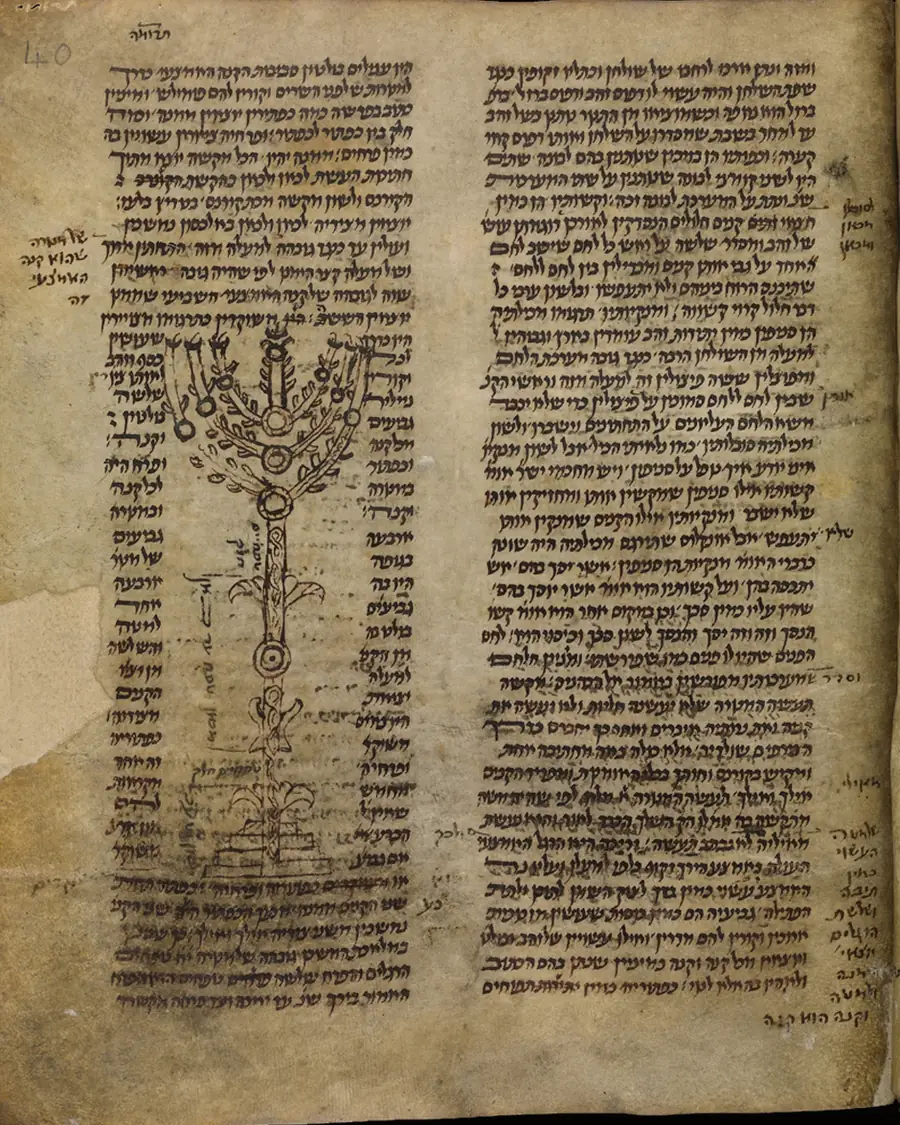
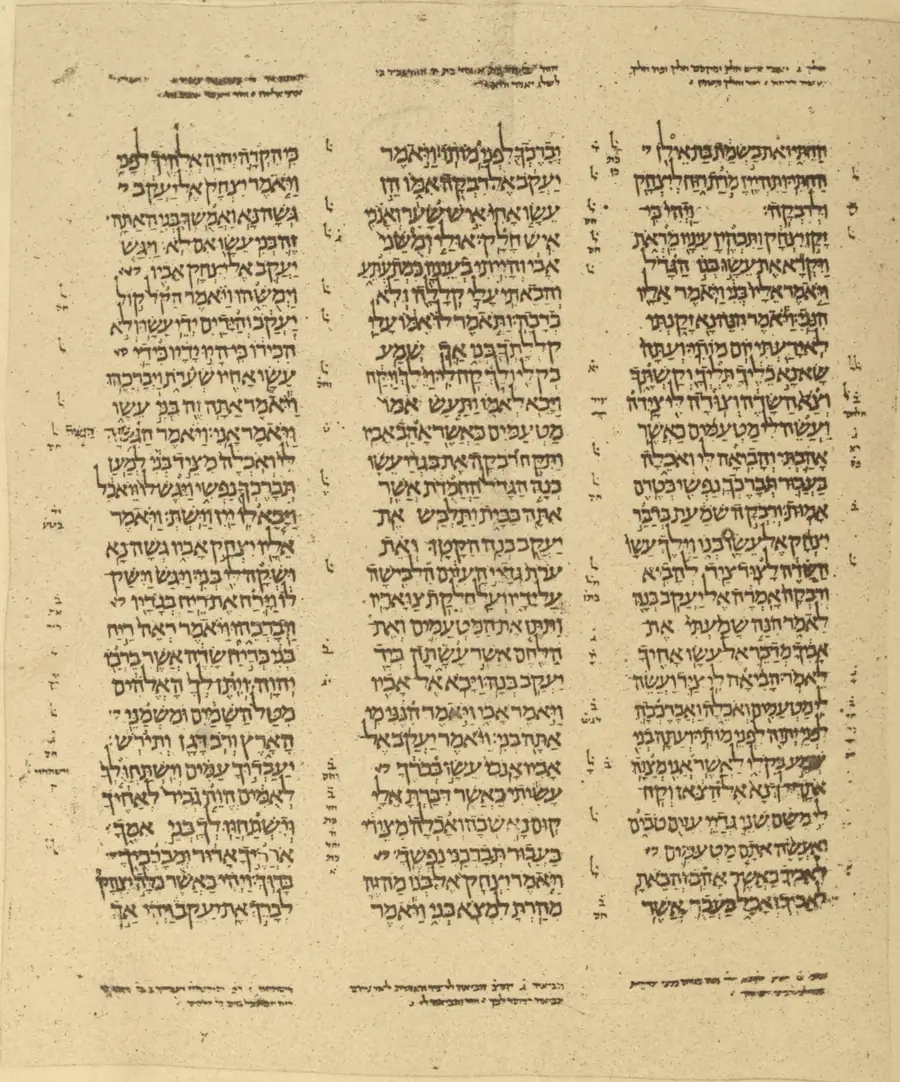
- The Tanakh (JPS 1917 translation)Jewish Publication SocietyPrimary sources
The translation quoted on air, including “unto the land” in Genesis 12:1. Public domain.
- Echoes from the Past: Hebrew and Cognate InscriptionsShmuel Aḥituv, 2008Primary sources
The Lachish letters and other inscriptions in translation, with commentary.
- Ancient Egyptian Literature, vol. IIMiriam Lichtheim, 1976Primary sources
The standard translation of the Merneptah Stele.
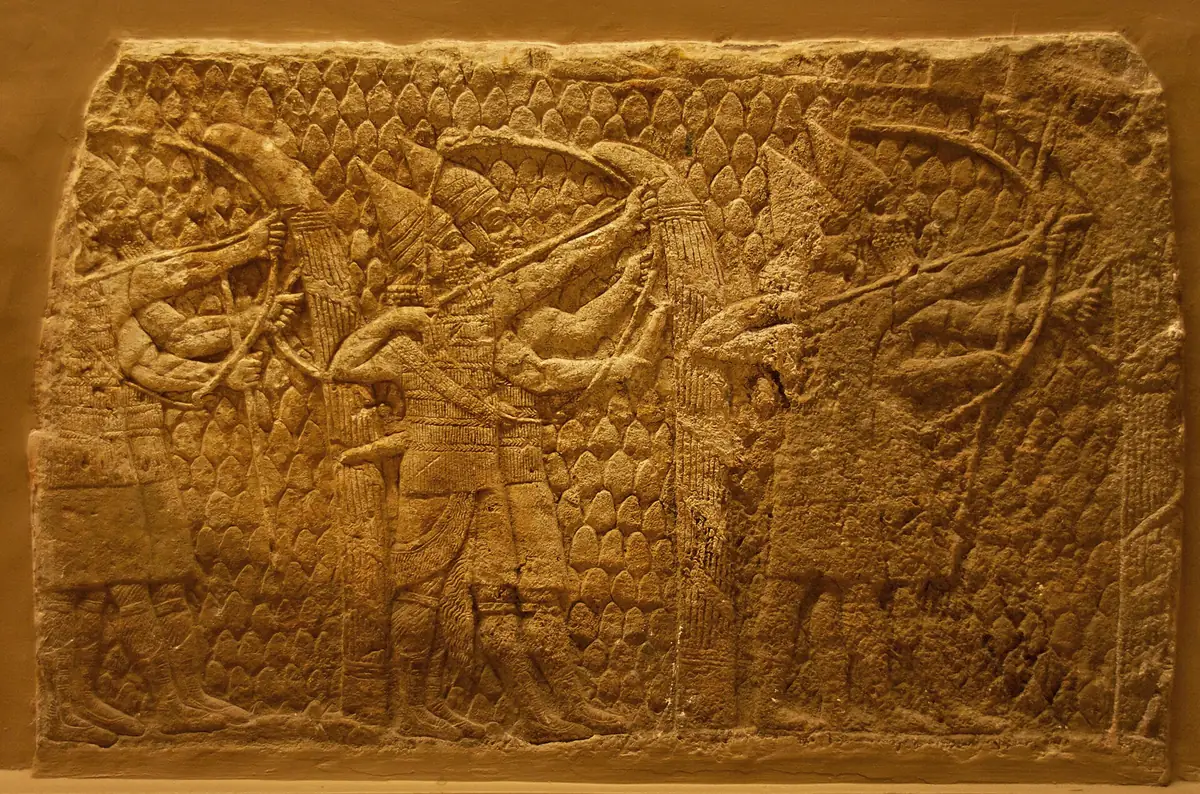
- The Annals of SennacheribD. D. Luckenbill, 1924Primary sources
The Assyrian side of 701 BCE, “like a bird in a cage”.
- The Renewed Archaeological Excavations at Lachish (1973–1994)David Ussishkin, 2004Archaeology
The site report for the city at the centre of the cold open.
- The Bible UnearthedIsrael Finkelstein & Neil Asher Silberman, 2001A challenge
The “low chronology”: a sceptical reading of the early kingdoms.
- On the Reliability of the Old TestamentK. A. Kitchen, 2003A defence
The case that the biblical record fits its ancient world.
- “Archaeology and the Biblical Narrative: The Case of the United Monarchy”Amihai Mazar, 2010A middle view
A careful position between the two.
- The Fall and Rise of JerusalemOded Lipschits, 2005History
Judah under Babylonian rule; the conventional dating of the destruction.
- Documents of Judean Exiles and West Semites in BabyloniaLaurie Pearce & Cornelia Wunsch, 2014History
The Al-Yahudu tablets: exiles’ contracts and names.
- The Invention of Ancient Israel: The Silencing of Palestinian HistoryKeith W. Whitelam, 1996The Other Chair
The argument that writing the land’s history as Israel’s silenced everyone else.
- The Historicity of the Patriarchal NarrativesThomas L. Thompson, 1974The Other Chair
The case that the patriarchs are not history.
- Palestine: A Four Thousand Year HistoryNur Masalha, 2018The Other Chair
The Palestinian continuity argument at length.
- Rashi on Genesis 1:1Rabbi Shlomo Yitzchaki (1040–1105)Tradition
The question that opens the episode, in any edition of the commentary.
- The Twelve CaesarsSuetonius, c. 121 CE (tr. Robert Graves, 1957)AGEWAKEPrimary sources
The gossip and the detail on every emperor from Julius Caesar to Domitian; the spine of The Caesars.
- The AnnalsTacitus, c. 116 CE (tr. Michael Grant, 1956)AGEWAKEPrimary sources
Tiberius to Nero by a senator who distrusted them all.
- Roman HistoryCassius Dio, c. 229 CE (Loeb, tr. Earnest Cary)AGEWAKEPrimary sources
The long view, written a century after the Julio-Claudians.
- SPQR: A History of Ancient RomeMary Beard, 2015AGEWAKEHistory
The best single volume on how Rome worked, sceptical of the legends.
- Göbekli Tepe: A Stone Age Sanctuary in South-Eastern AnatoliaKlaus Schmidt, 2012AGEWAKEArchaeology
The excavator’s own account of the oldest known monumental site.
- Decoding the HeavensJo Marchant, 2008AGEWAKEHistory
How the Antikythera mechanism was found, misread and finally understood.
- Five FamiliesSelwyn Raab, 2005AI Flash VisionsHistory
The standard history of New York’s Mafia, from Masseria to the Commission trials.
- The OutfitGus Russo, 2001AI Flash VisionsHistory
Chicago’s mob, including Giancana, by a careful reporter.
- Dark Tide: The Great Boston Molasses Flood of 1919Stephen Puleo, 2003AI Flash VisionsHistory
The flood, the trial, and who was to blame.
- Vanished Smile: The Mysterious Theft of Mona LisaR. A. Scotti, 2009AI Flash VisionsHistory
The 1911 CE theft and the two years the painting was missing.
- A Time to Dance, a Time to DieJohn Waller, 2008AI Flash VisionsA reading
The Strasbourg dancing plague of 1518 CE and what the city’s records say.