
·Credits
Picture credits
Every picture on this site is a real photograph, painting, map or object, in the public domain or under an open licence. Here is where each one comes from.
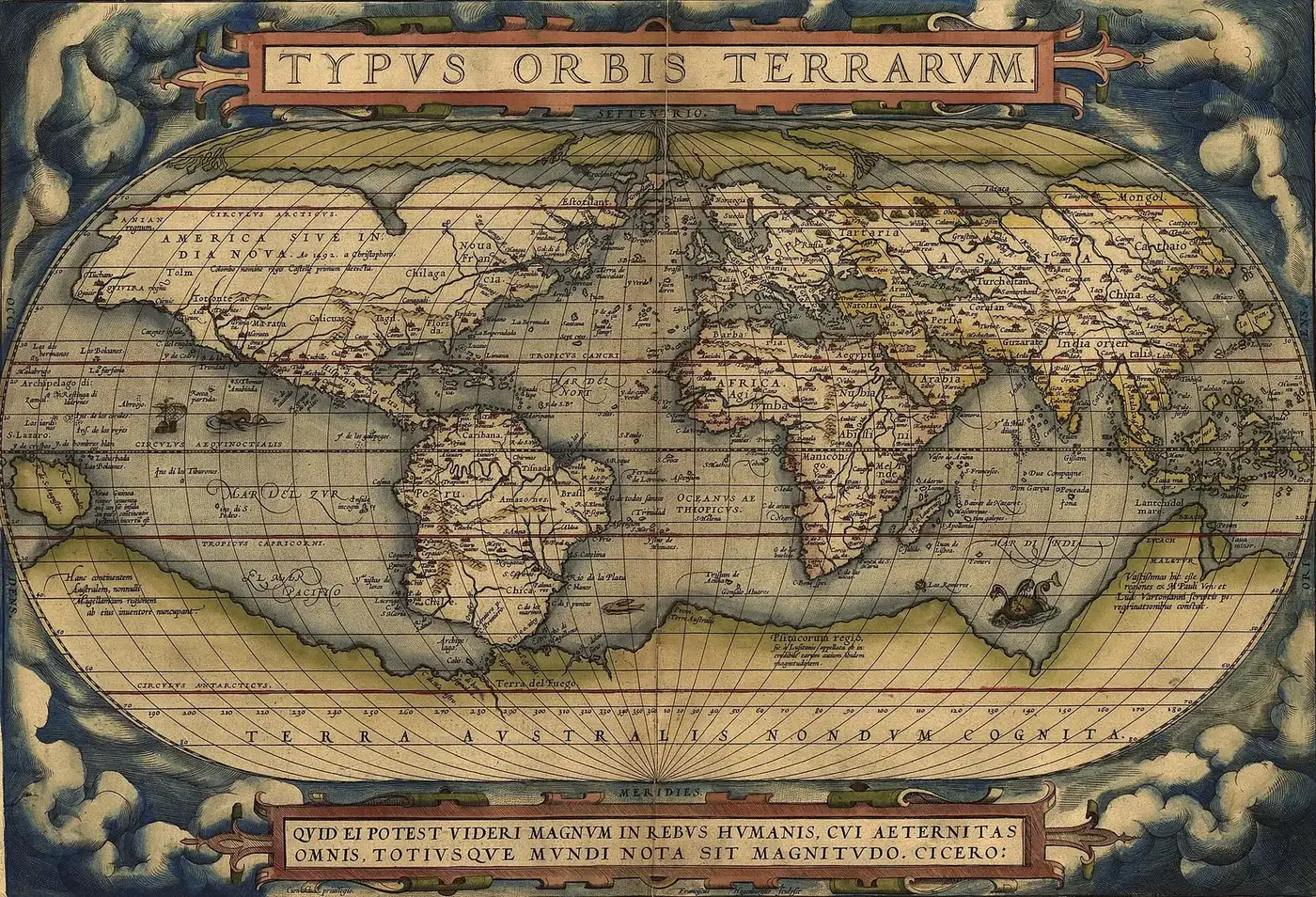 Typus Orbis Terrarum: the world in Abraham Ortelius’s atlas, 1570.
Abraham Ortelius, Theatrum Orbis Terrarum · public domain. Source file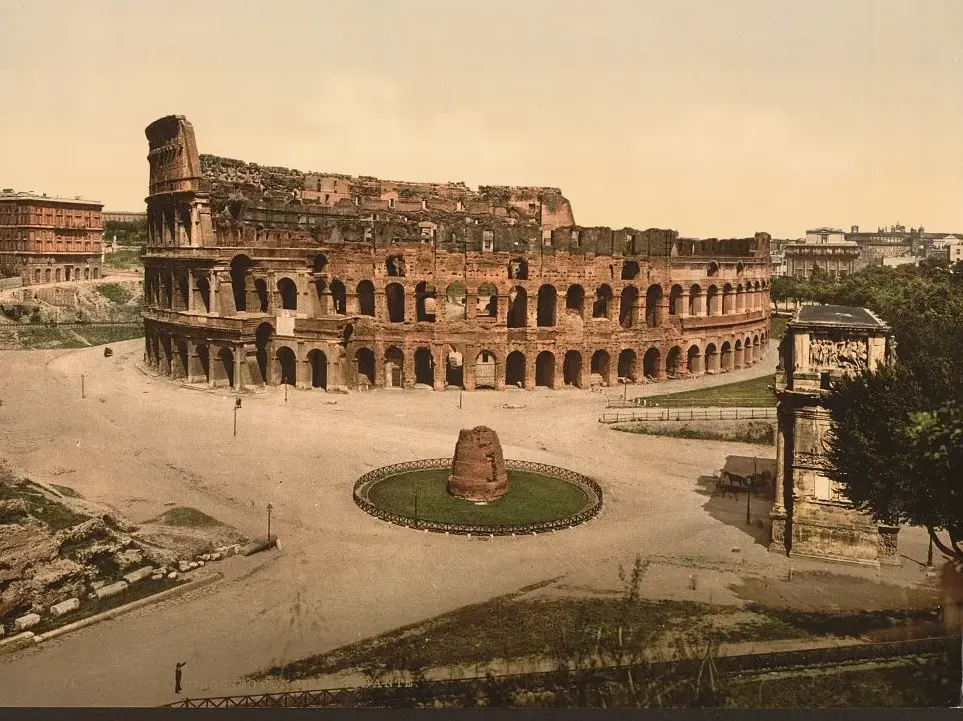 The Colosseum and the Meta Sudans, Rome, 1890s.
Photochrom Print Collection, Library of Congress · public domain (no known restrictions). Source file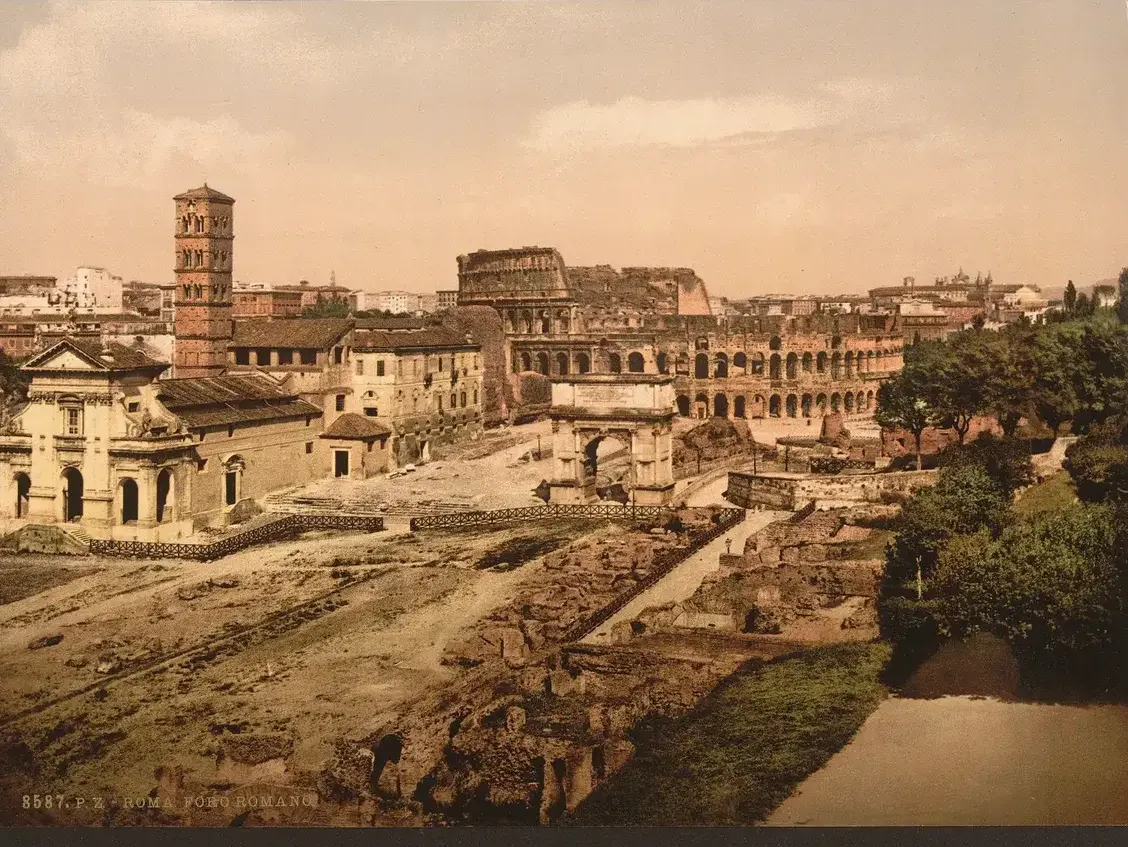 The Forum Romanum from the Palatine, Rome, 1890s.
Photochrom Print Collection, Library of Congress · public domain. Source file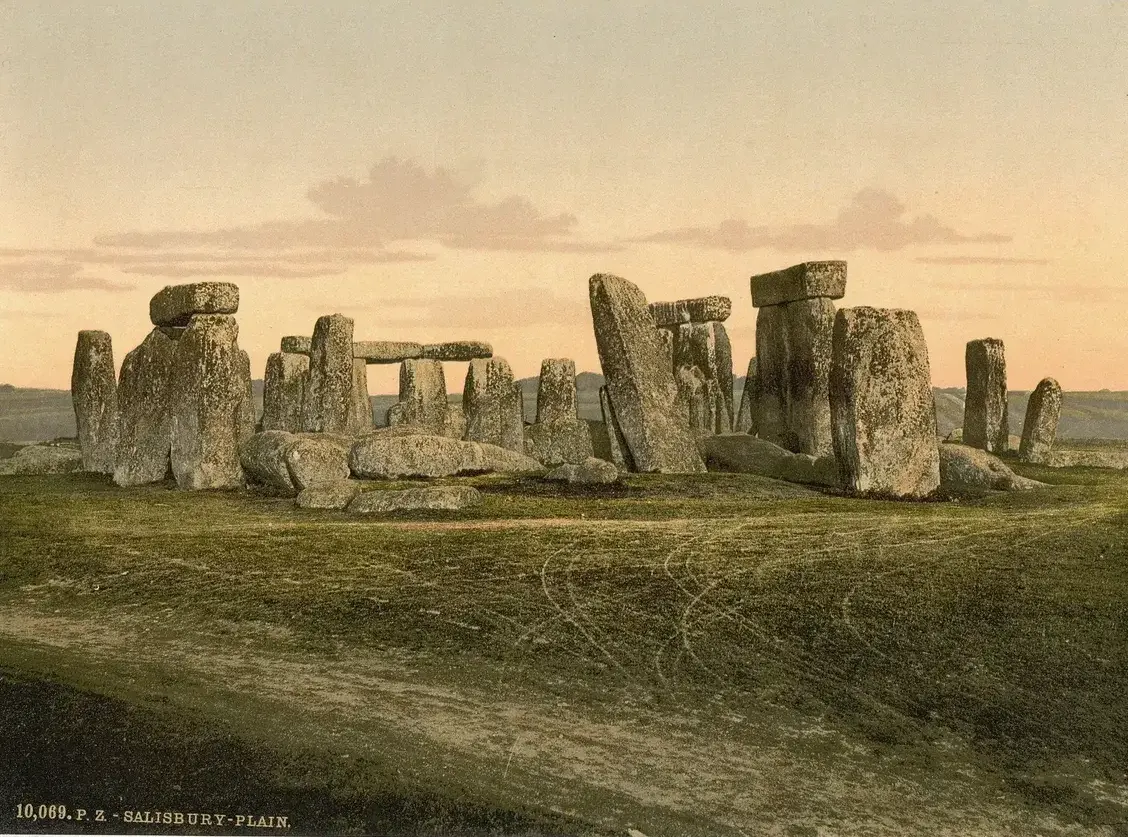 Stonehenge, near Salisbury, 1890s.
Photochrom Print Collection, Library of Congress · public domain. Source file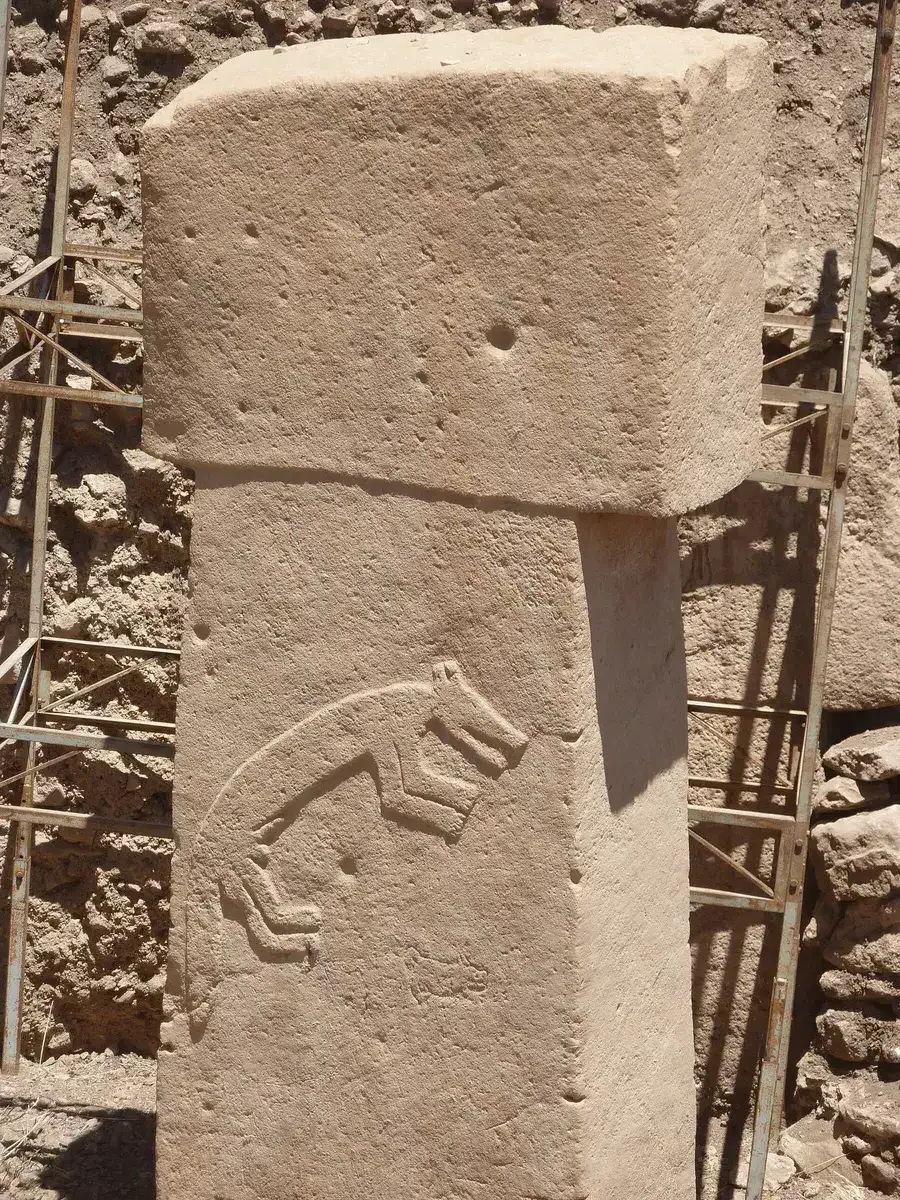 A carved pillar at Göbekli Tepe, c. 9500 BCE.
Photo Zhengan · CC BY-SA 4.0. Changes made: resized, colour-toned and flipped to true orientation. Source file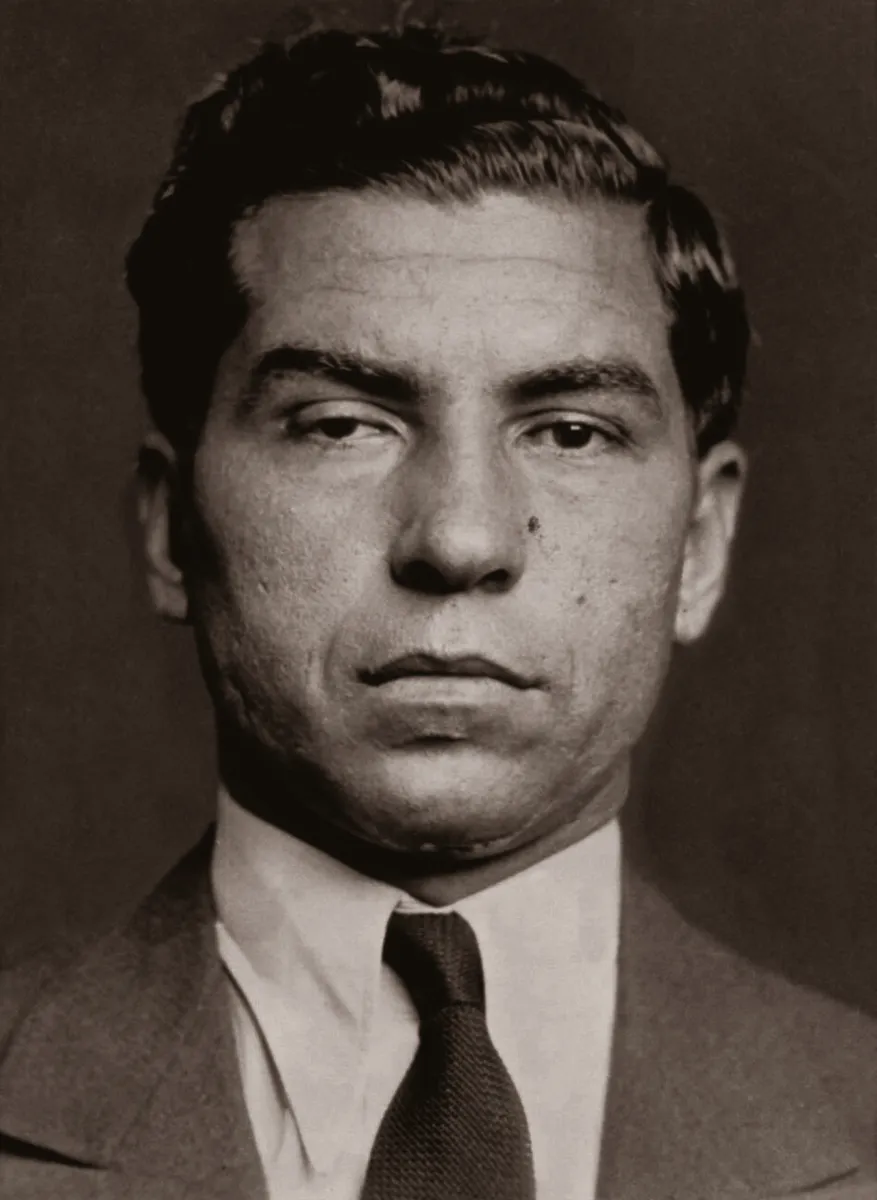 Charles “Lucky” Luciano, police photograph, 1936 CE.
New York Police Department · public domain. Source file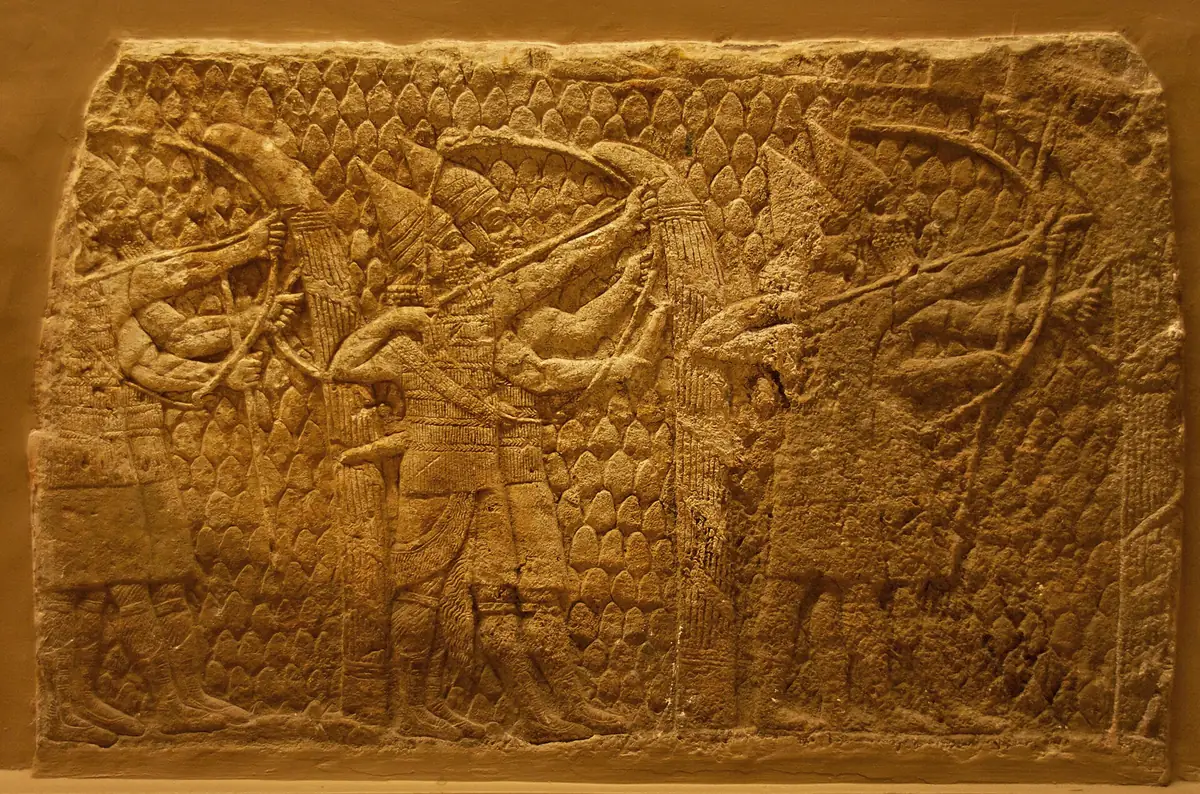 Assyrian archers at the siege of Lachish, 701 BCE; relief carved c. 700–692 BCE.
“Heavy-armed archers in action”, from the Lachish reliefs, South-West Palace, Nineveh · British Museum WA 124776 · Photograph by Mike Peel (www.mikepeel.net). CC BY-SA 4.0. Changes made: resized and colour-toned. Source file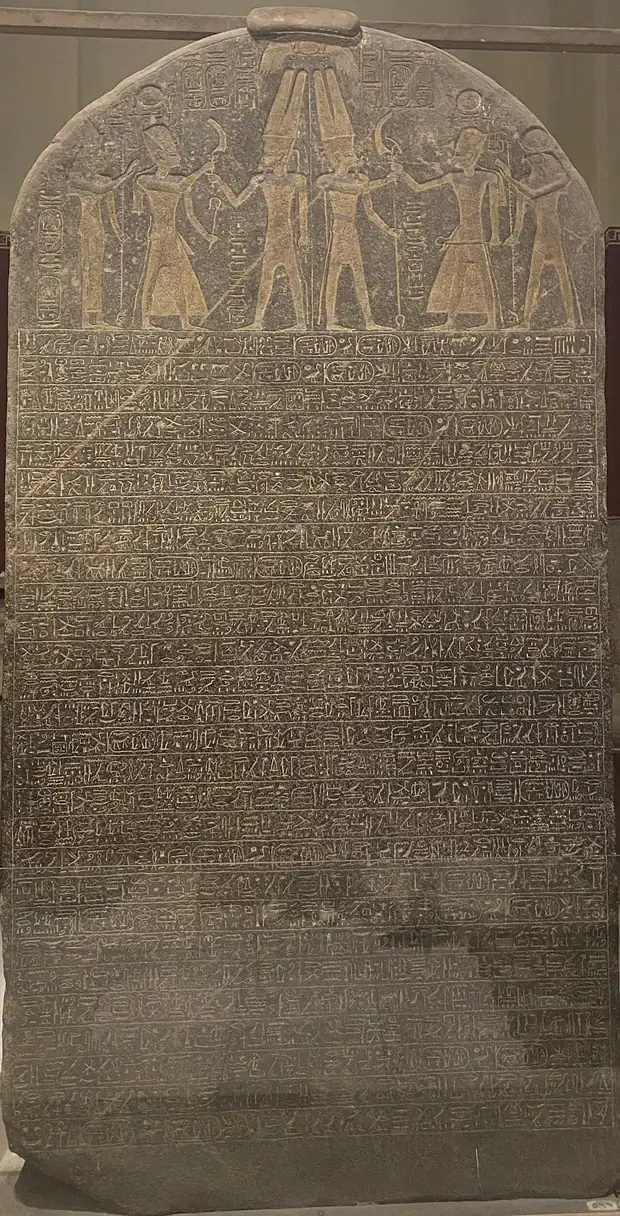 The Merneptah Stele, c. 1208 BCE: the earliest known mention of the name Israel.
Egyptian Museum, Cairo · photo 𐰇𐱅𐰚𐰤 (Wikimedia Commons), CC BY-SA 4.0. Changes made: resized and colour-toned. Source file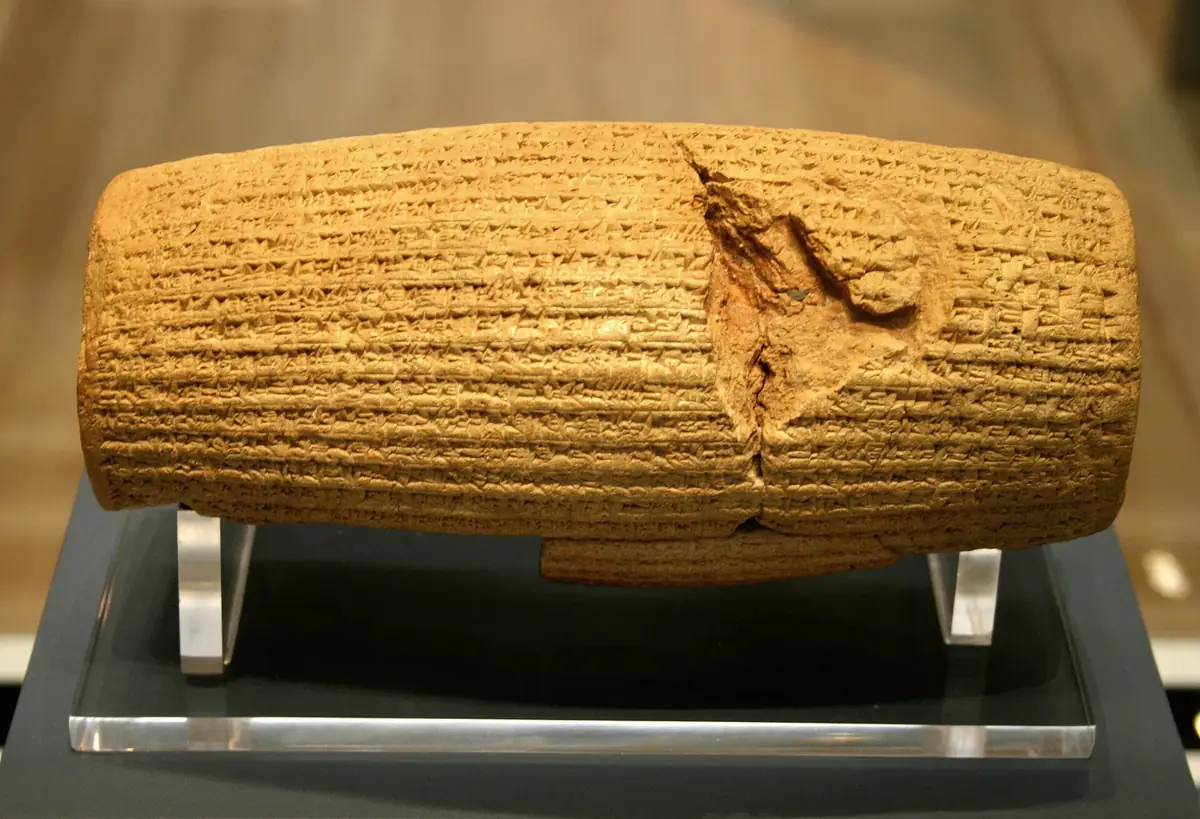 The Cyrus Cylinder, 539 BCE or soon after.
British Museum · Photograph by Mike Peel (www.mikepeel.net). Modifications by مانفی. CC BY-SA 4.0. Changes made: resized and colour-toned (from the file’s colour-corrected 2011 version). Source file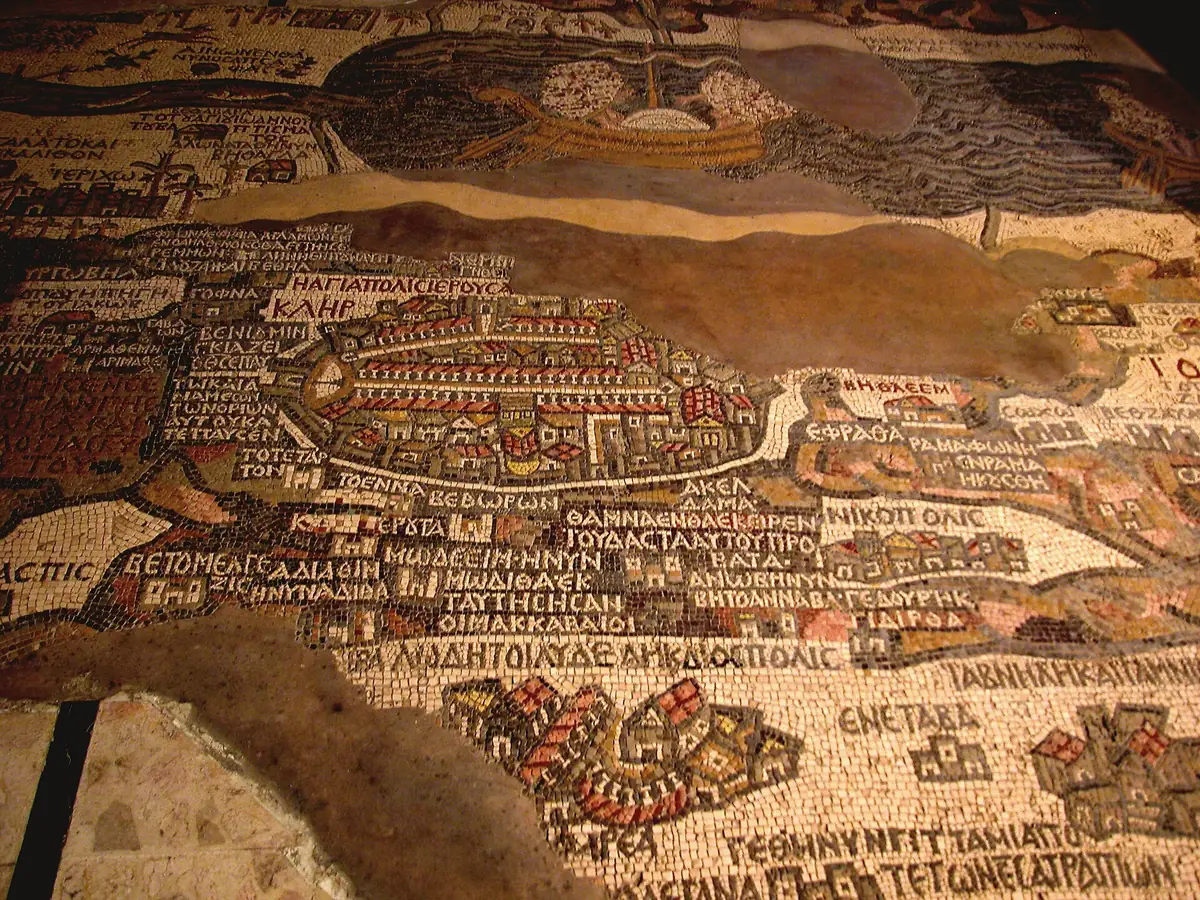 Jerusalem on the Madaba map, a floor mosaic of the 6th century CE.
St George’s Church, Madaba · photo Yong Woo Park, CC0. Changes made: resized and colour-toned. Source file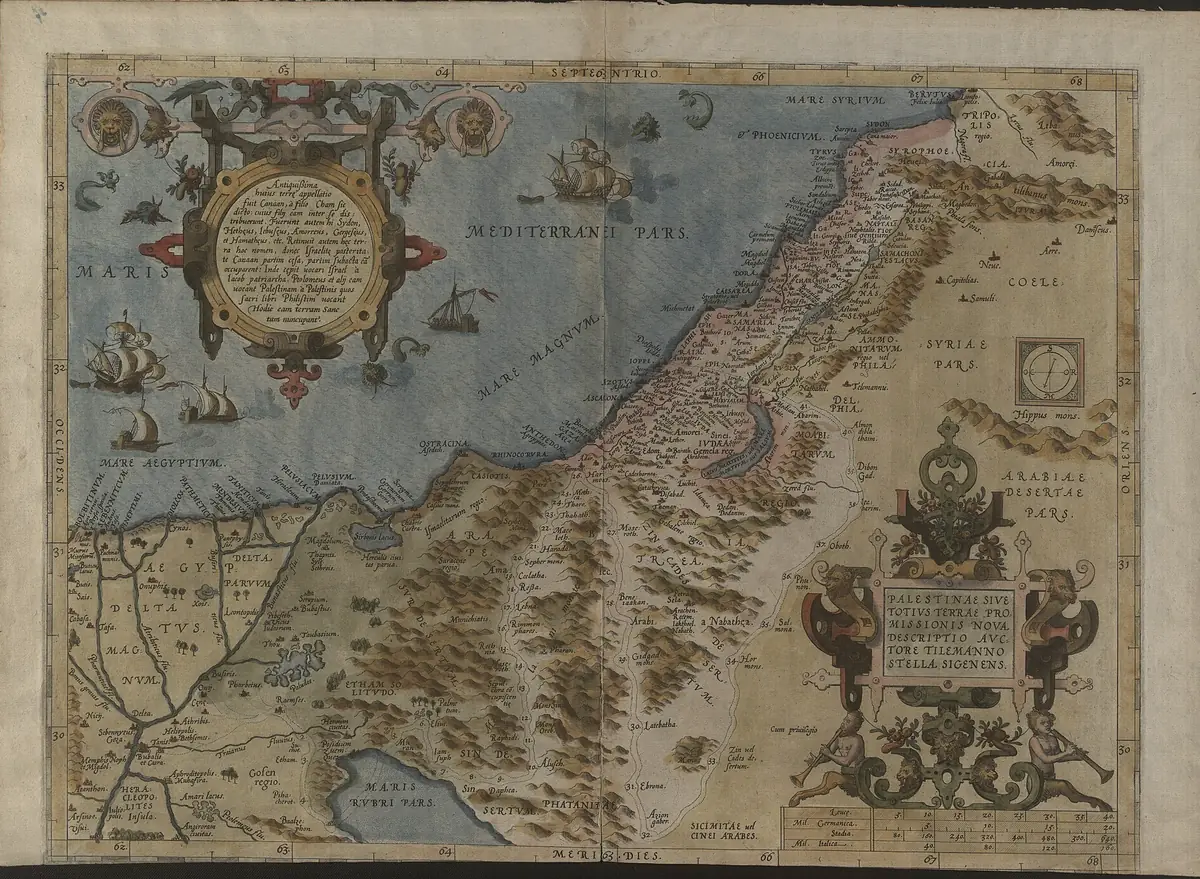 The Holy Land in Abraham Ortelius’s atlas, 1570.
Abraham Ortelius, Theatrum Orbis Terrarum · public domain. Source file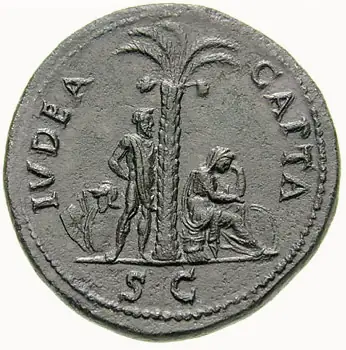 ‘Iudaea capta’: a coin of Vespasian marking the fall of Jerusalem, 71 CE.
Sestertius of Vespasian · CNG, CC BY-SA 3.0. Changes made: cropped to one face of the coin, resized and colour-toned. Source file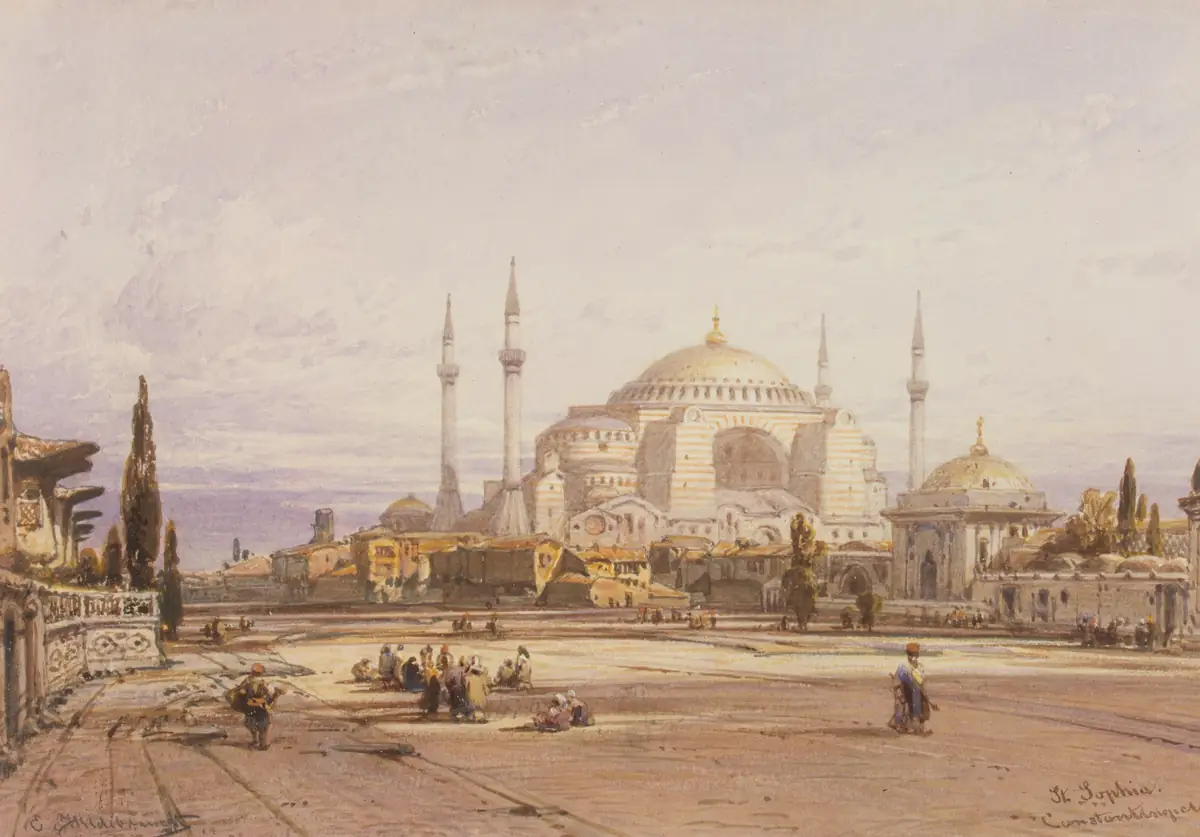
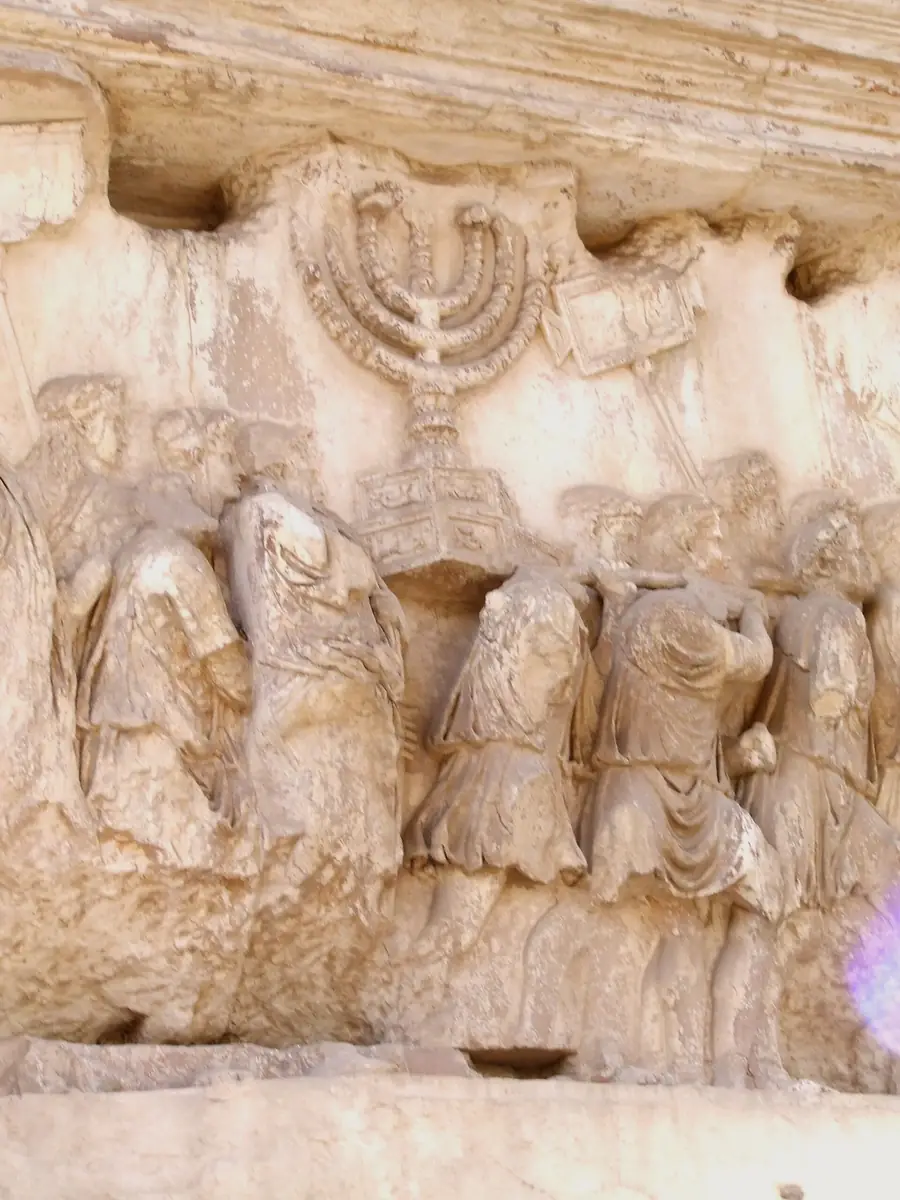 Soldiers carry the Temple menorah through Rome: the Arch of Titus, c. 81 CE.
Photo Laurel Lodged · public domain. Source file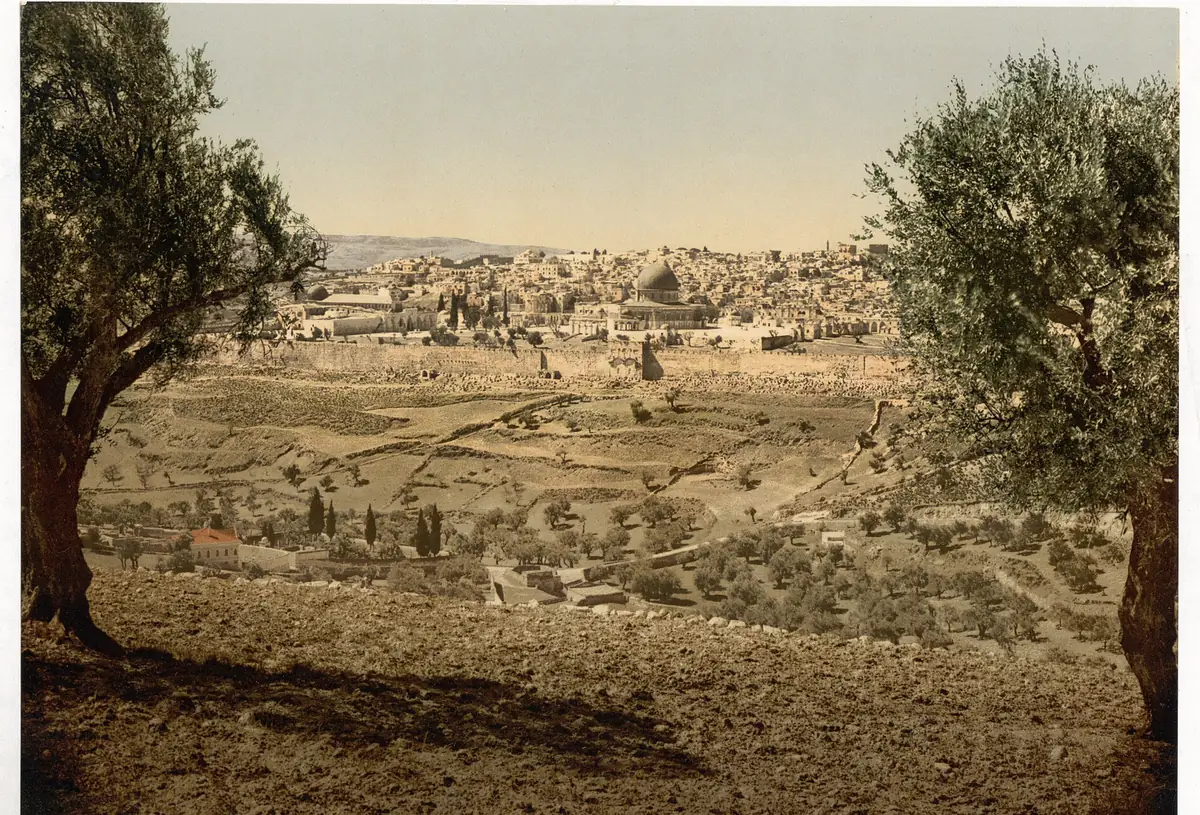 Jerusalem from the Mount of Olives, 1890s.
Photochrom Print Collection, Library of Congress · public domain. Source file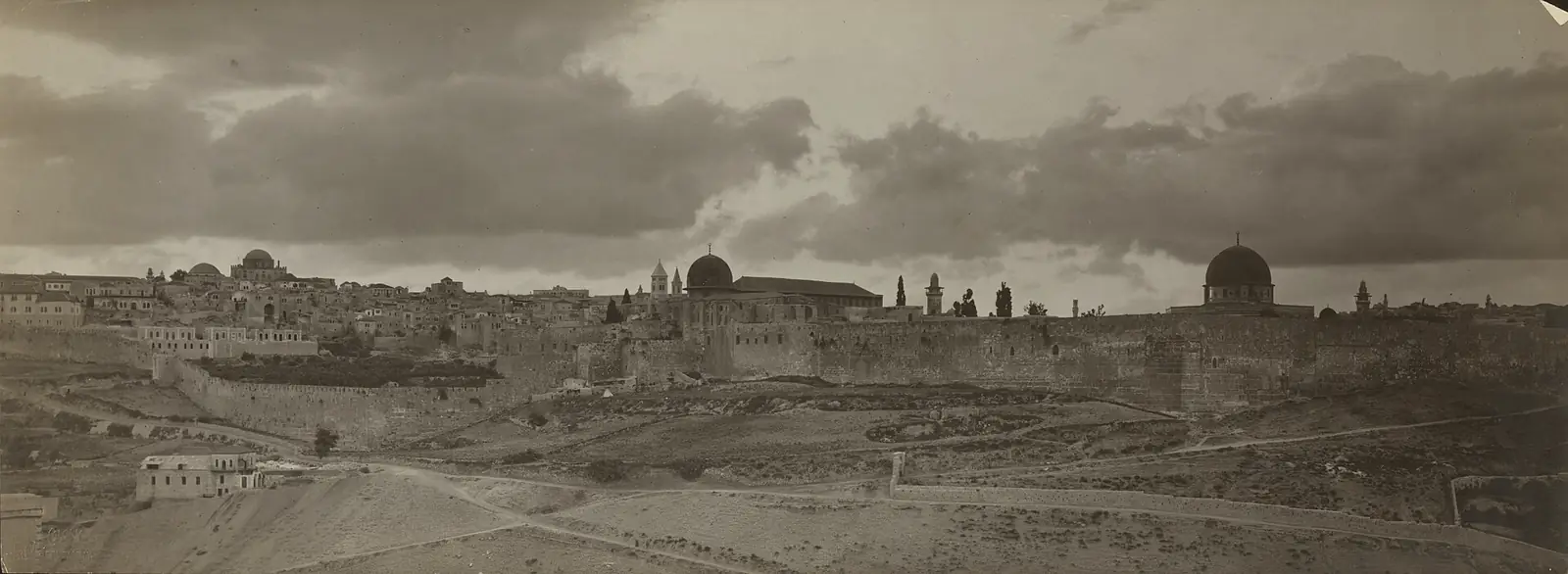 Jerusalem, early 20th century.
American Colony Photo Department, Library of Congress · public domain. Source file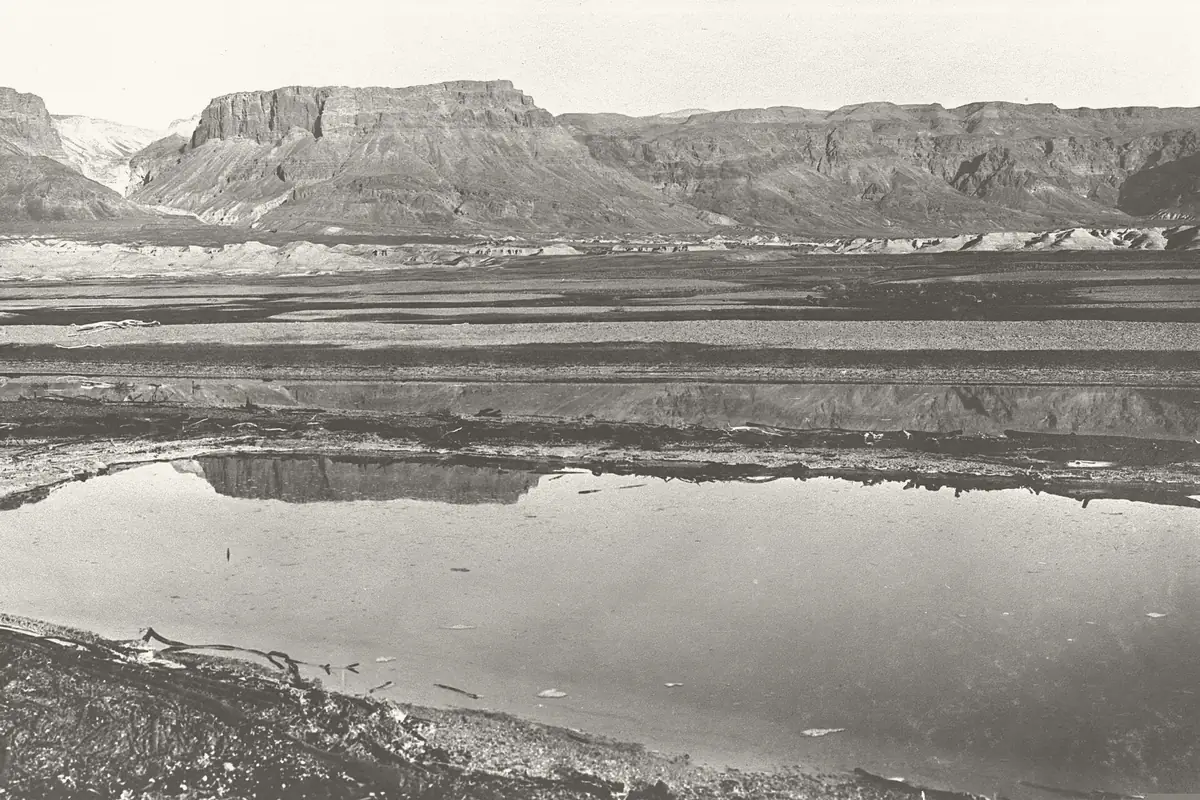
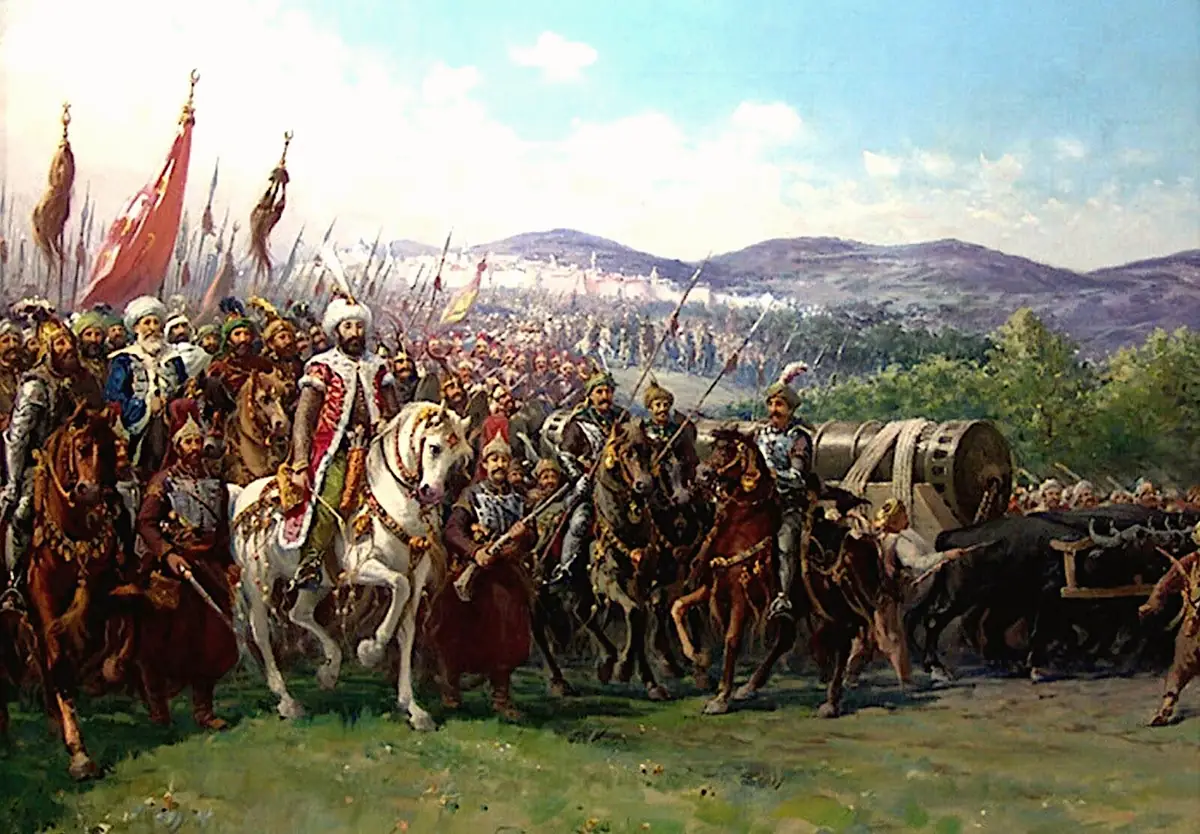 Mehmed II enters Constantinople, 1453, as Fausto Zonaro painted it in 1903.
Public domain. Source file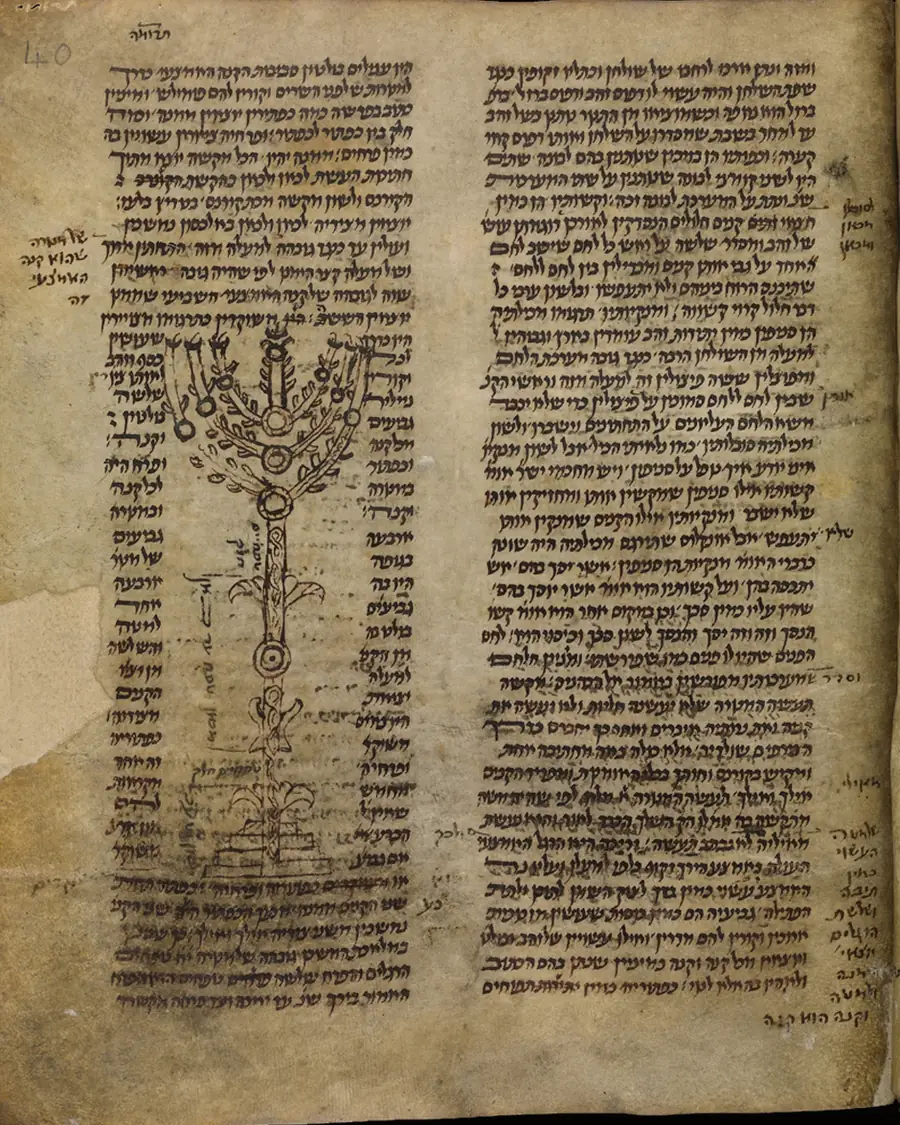
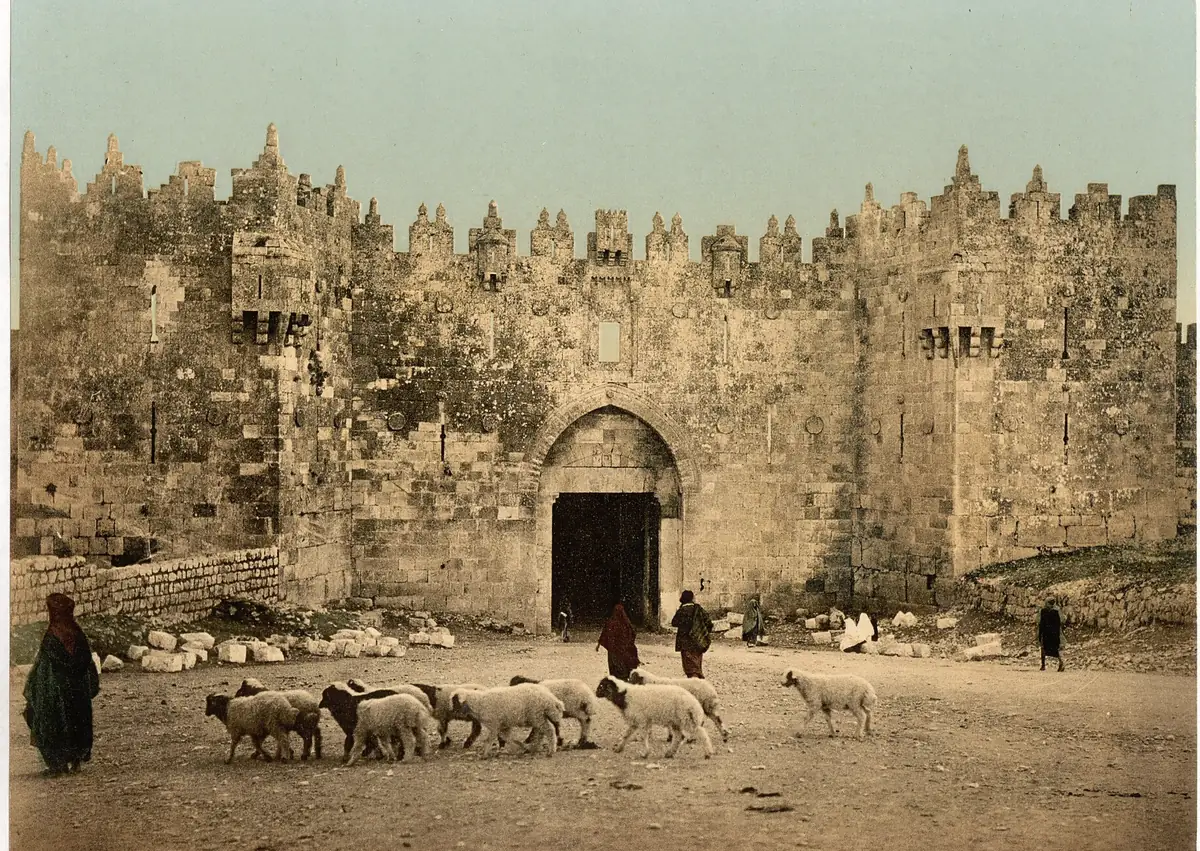 The Damascus Gate, Jerusalem, 1890s.
Photochrom Print Collection, Library of Congress · public domain. Source file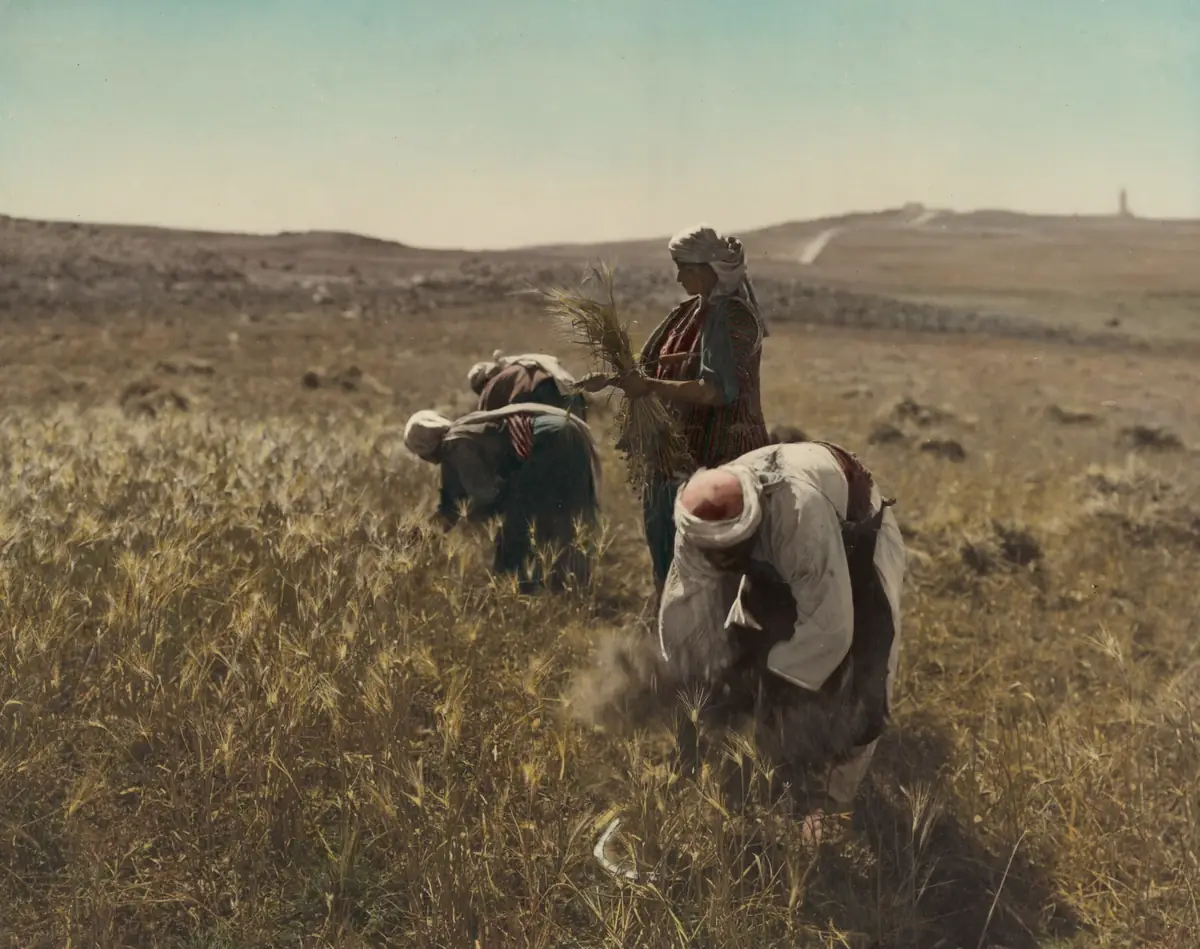
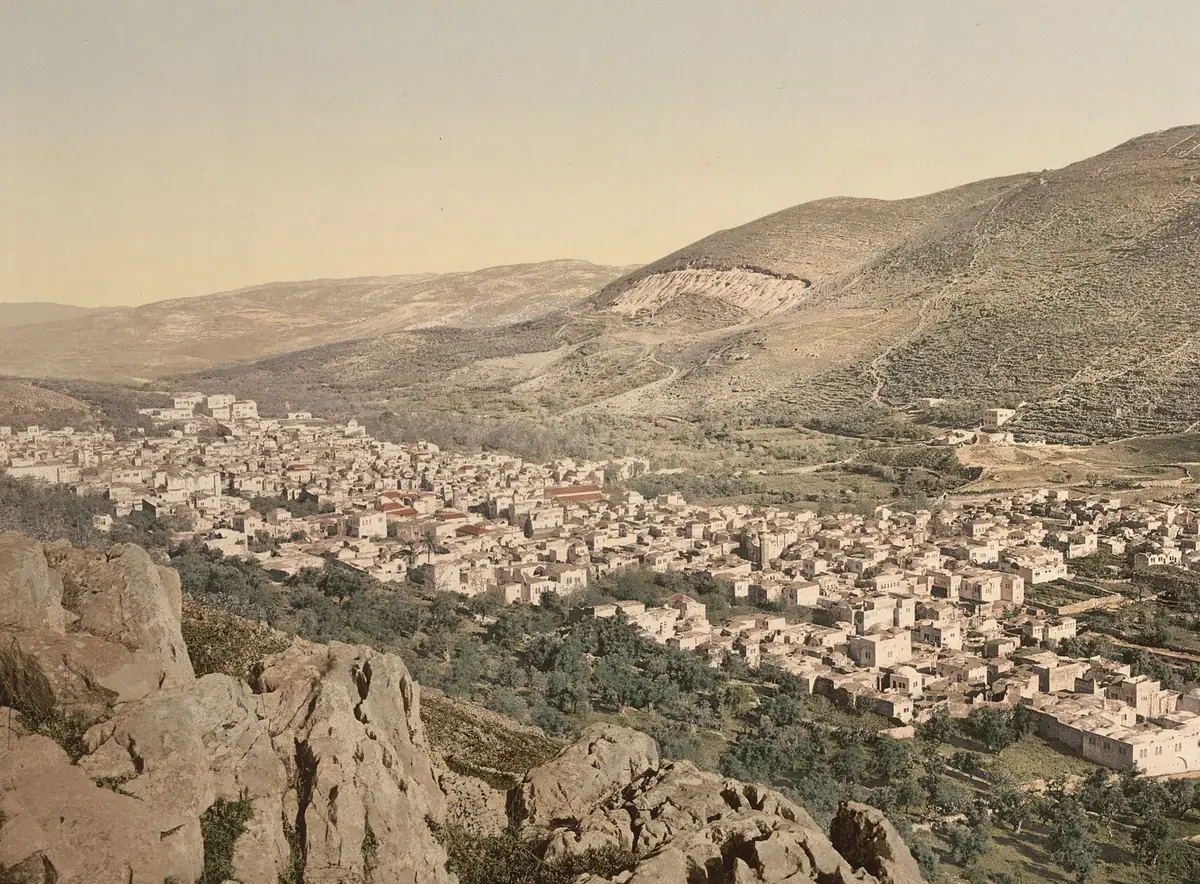 The vale of Nablus, 1890s.
Photochrom Print Collection, Library of Congress · public domain. Source file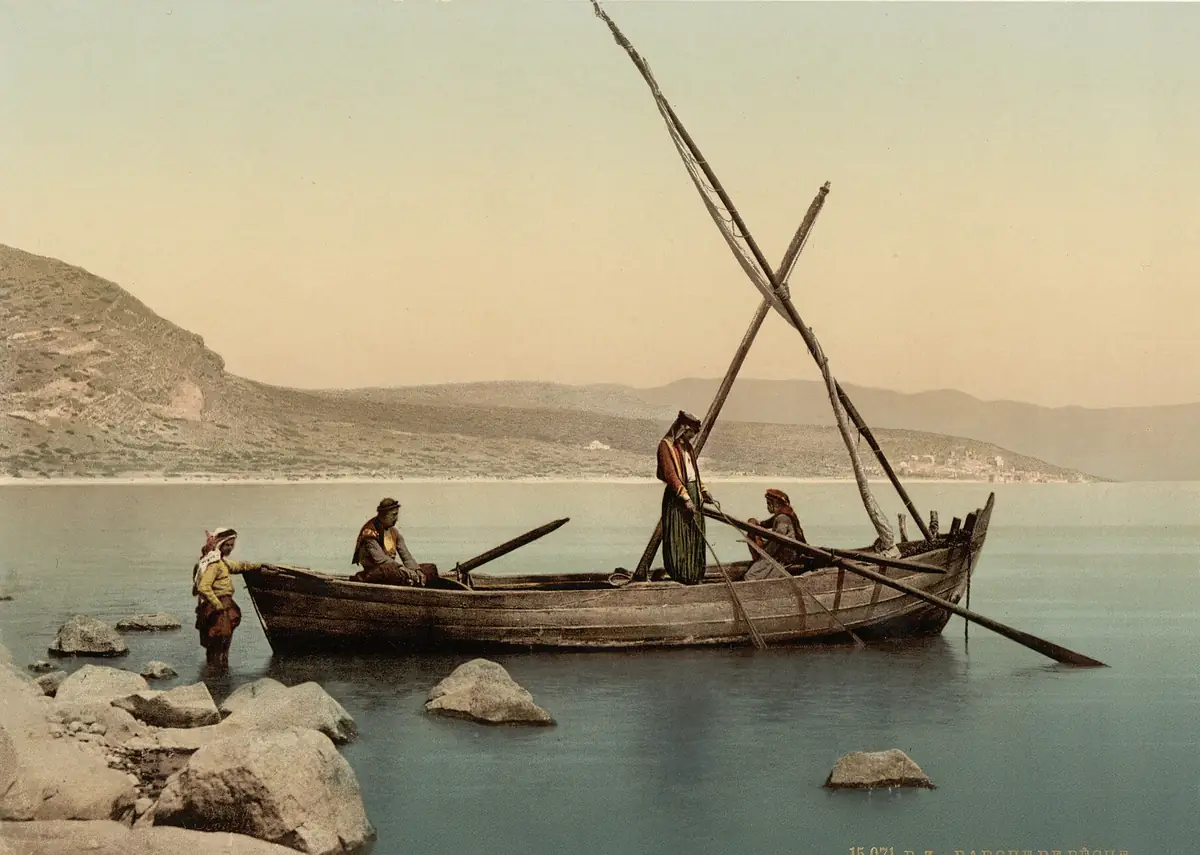 A fishing boat on the Sea of Galilee at Tiberias, 1890s.
Photochrom Print Collection, Library of Congress · public domain. Source file
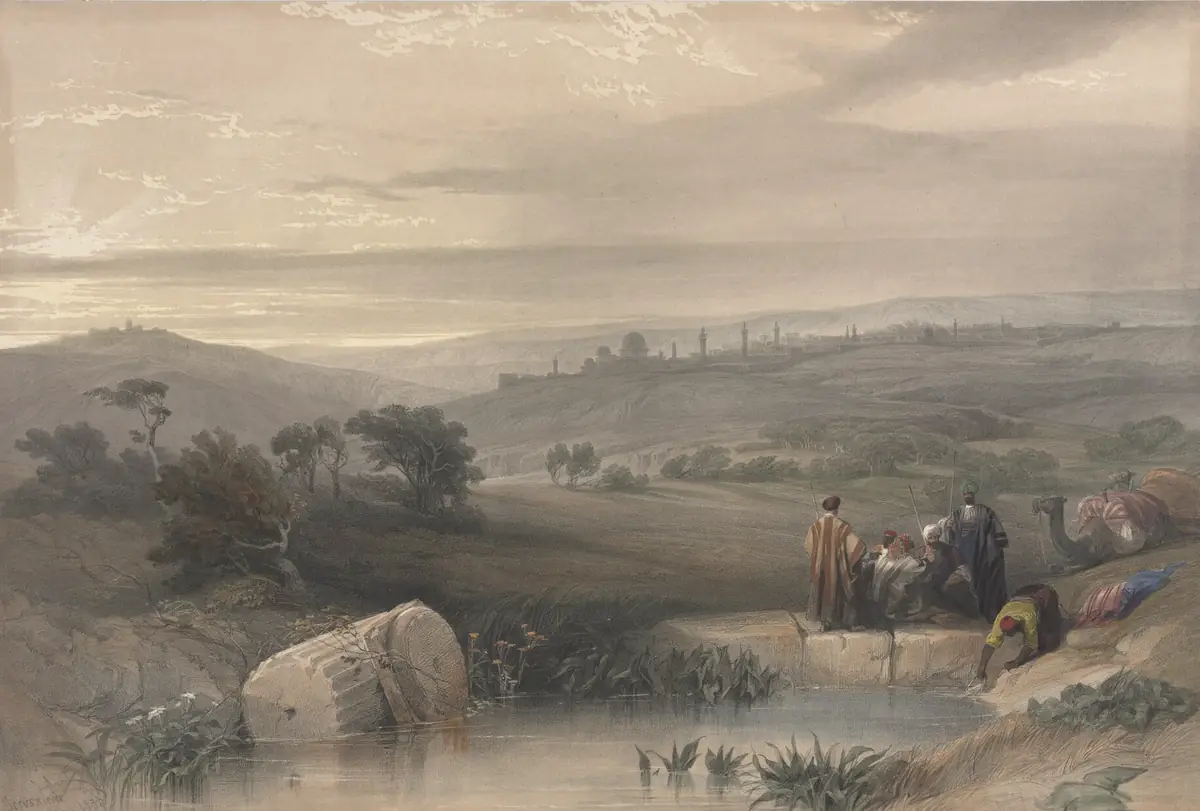 Jerusalem from the North, David Roberts, 1839.
Cleveland Museum of Art · CC0. Changes made: resized and colour-toned. Source file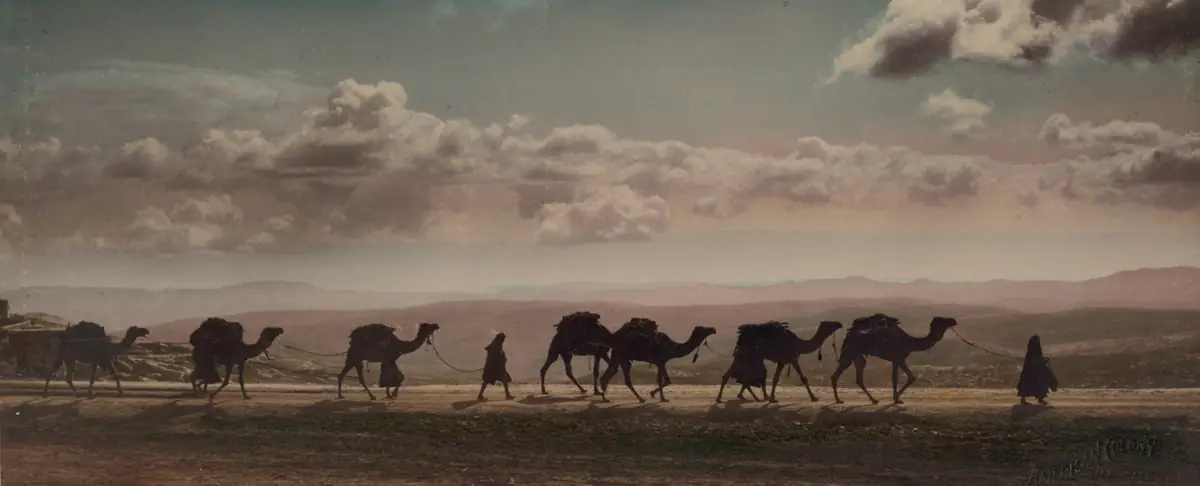 A camel caravan on the Mount of Olives, 1919.
American Colony Photo Department · public domain. Source file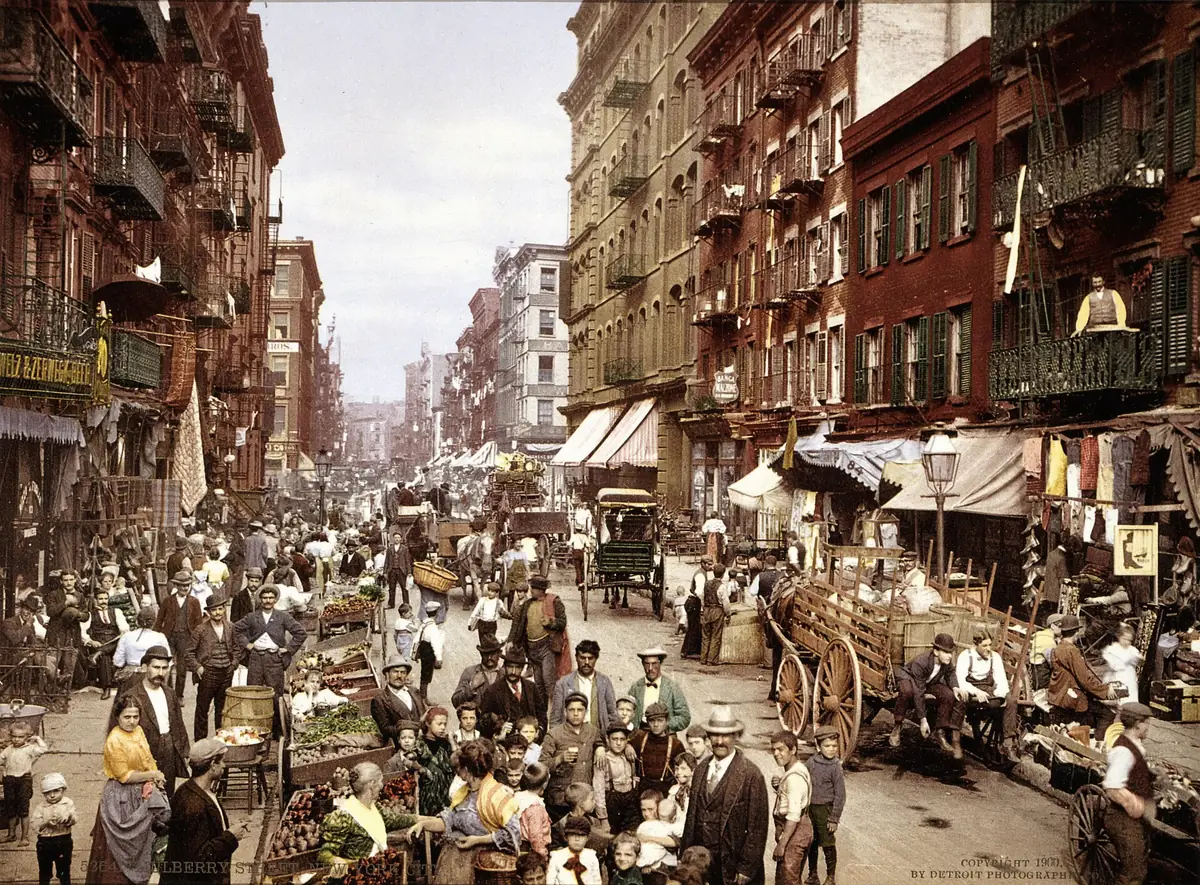 Mulberry Street, New York, c. 1900.
Detroit Publishing Co., Library of Congress · public domain. Source file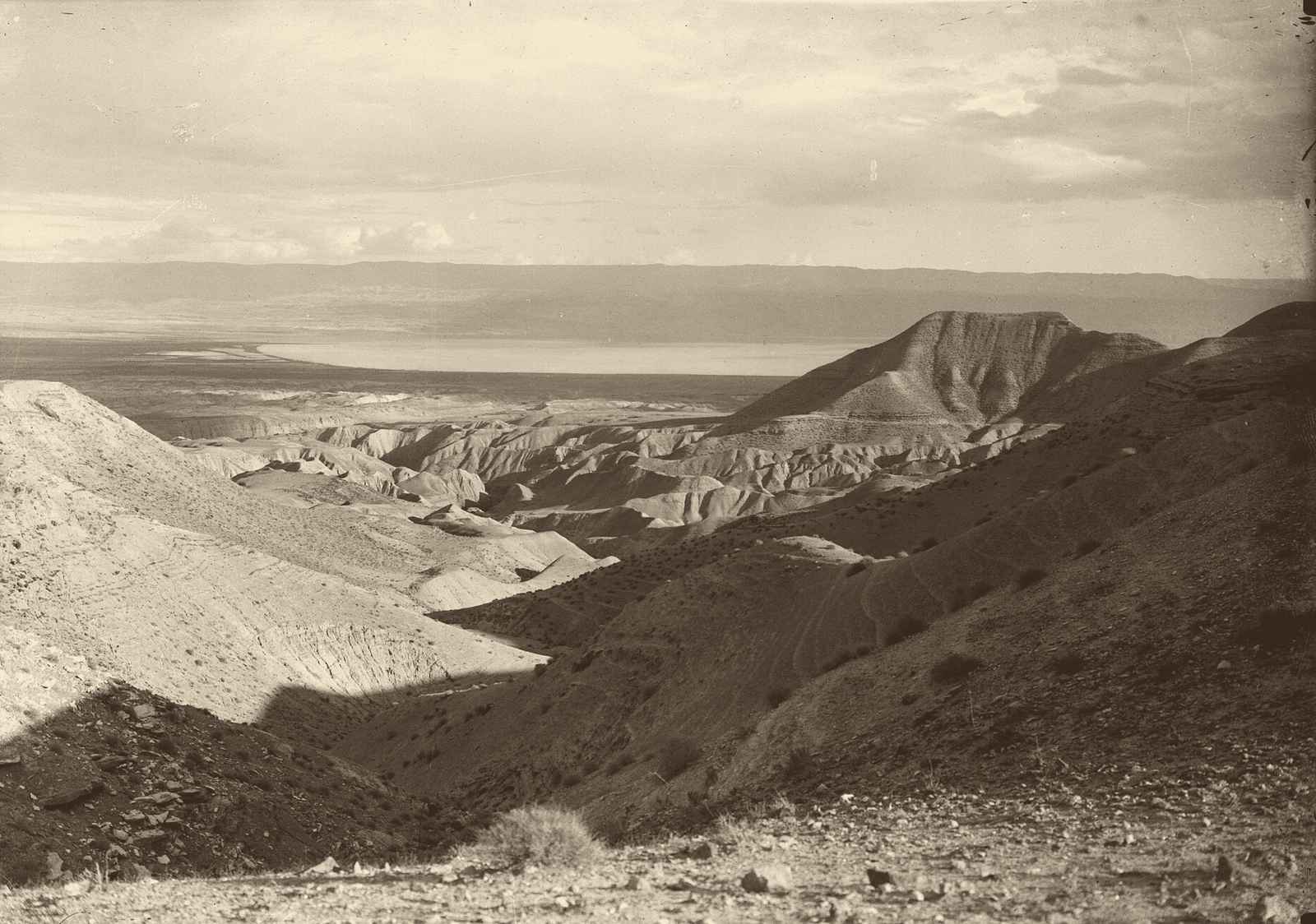 Dead Sea and wilderness of Judea, with the mountains of Moab.
Matson Photograph Collection (American Colony Photo Department), Library of Congress · public domain.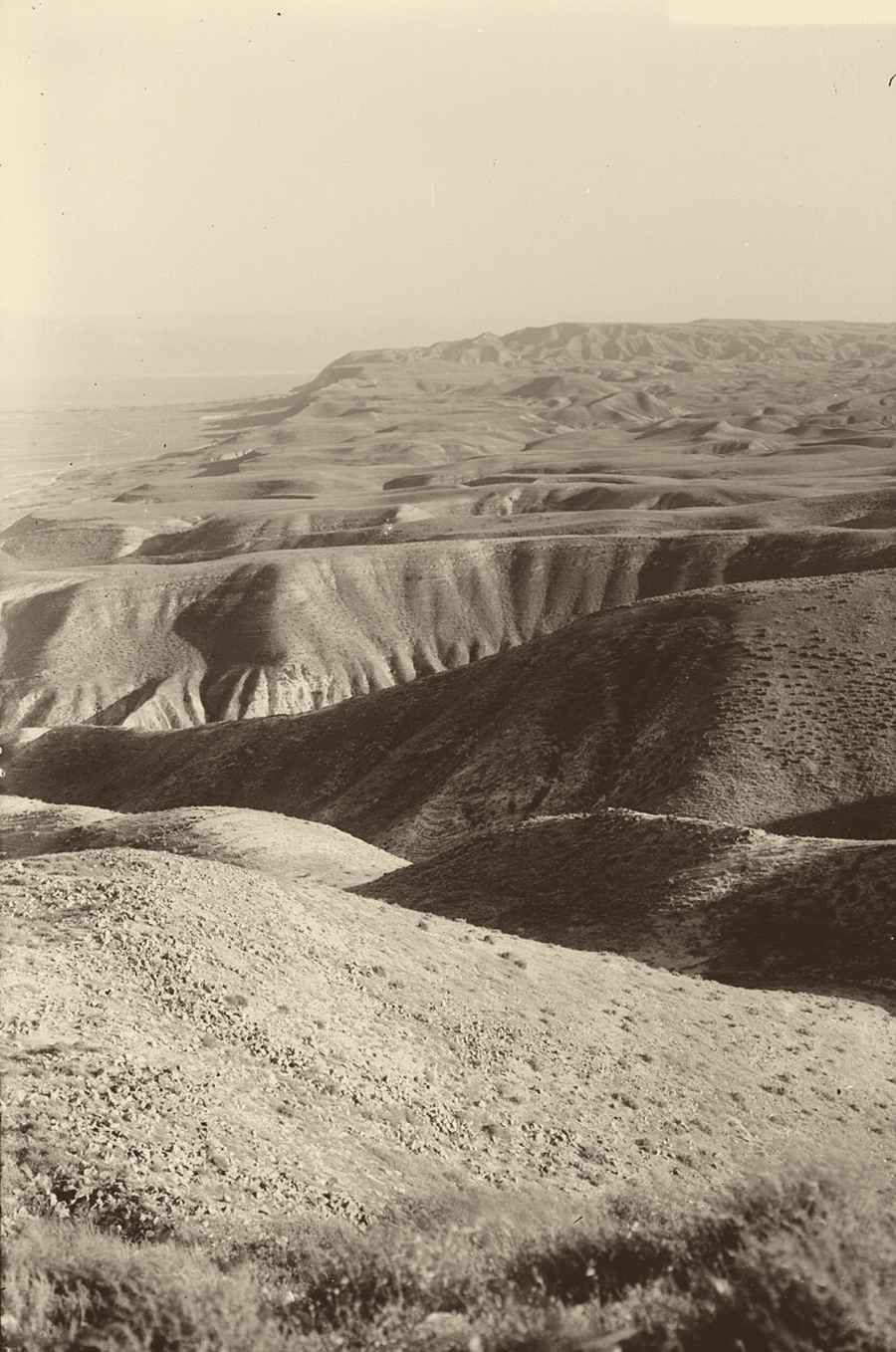 Road to Jericho, wilderness of Judea, c. 1900.
Matson Photograph Collection, Library of Congress · public domain.


Changes: every picture on this page has been resized and lightly colour-toned to sit with the site’s colours; the Vespasian coin is also cropped to one face. Each licence name links to the licence itself. Pictures marked CC BY-SA may be reused under the same licence, crediting the photographer and noting any changes.